Free shipping on orders from €59

Matcha guide

Understanding matcha,
calmly explained.

Seven short chapters: how matcha is made, how to recognise good quality, and everything you need for a good bowl.

Shade nets stretched over rows of tea bushes

1 · The leaf

It begins in the shade.

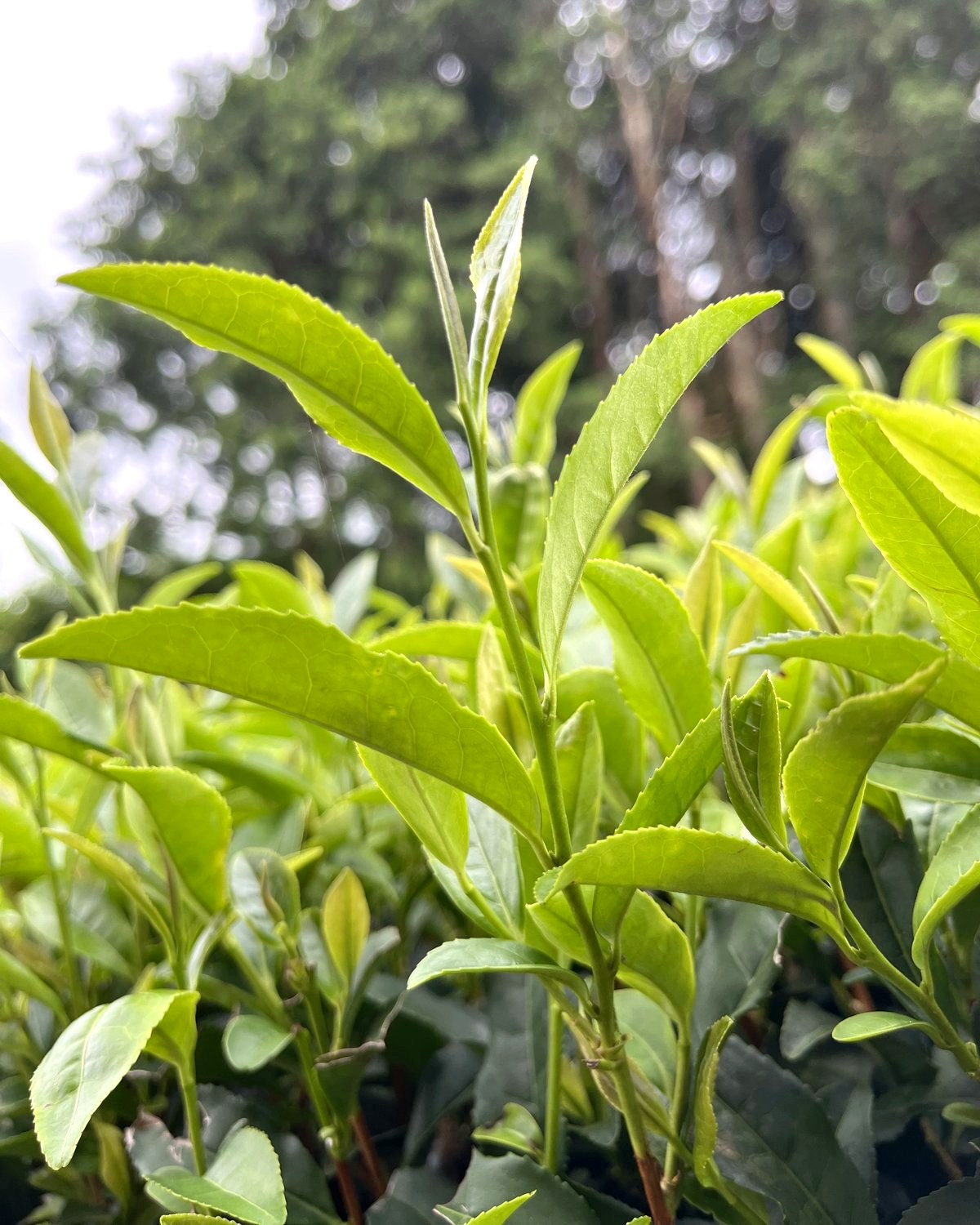
Young, bright green tea shoots
Young tea shoots, shortly before the harvest.

Shade-grown · Japan

Only the youngest leaves.

Before harvest, the tea fields are covered and the leaves grow slowly in soft light. They turn a deep, vivid green and gather a gentle sweetness.

Then they are dried and slowly stone-ground into a powder as fine as silk.

How matcha is made, step by step
  1. 1How matcha is made
  2. 2How to judge quality
  3. 3Grades, in plain words
  4. 4Water and temperature
  5. 5Whisking
  6. 6Storage
  7. 7Caffeine
1

How matcha is made

Matcha is the whole tea leaf, finely ground. That is why every step, from field to mill, shapes how it tastes. I have seen these steps in Japan and taken part in them. Here they are, briefly explained.

1. Shading in the tea field

Some weeks before the harvest, the tea fields are covered, with black nets (kanreisha) or, traditionally, with straw on a frame. This way of growing is called ōishita. In the shade, more theanine stays in the leaf, which gives the sweet, round taste, and fewer bitter tannins form. The leaves grow thinner, softer and deep green.

There are two ways: the nets lie directly on the tea bushes, or they hang on a frame above them. With a frame, there is air between net and leaf. The leaves carry no weight and develop an even finer taste.
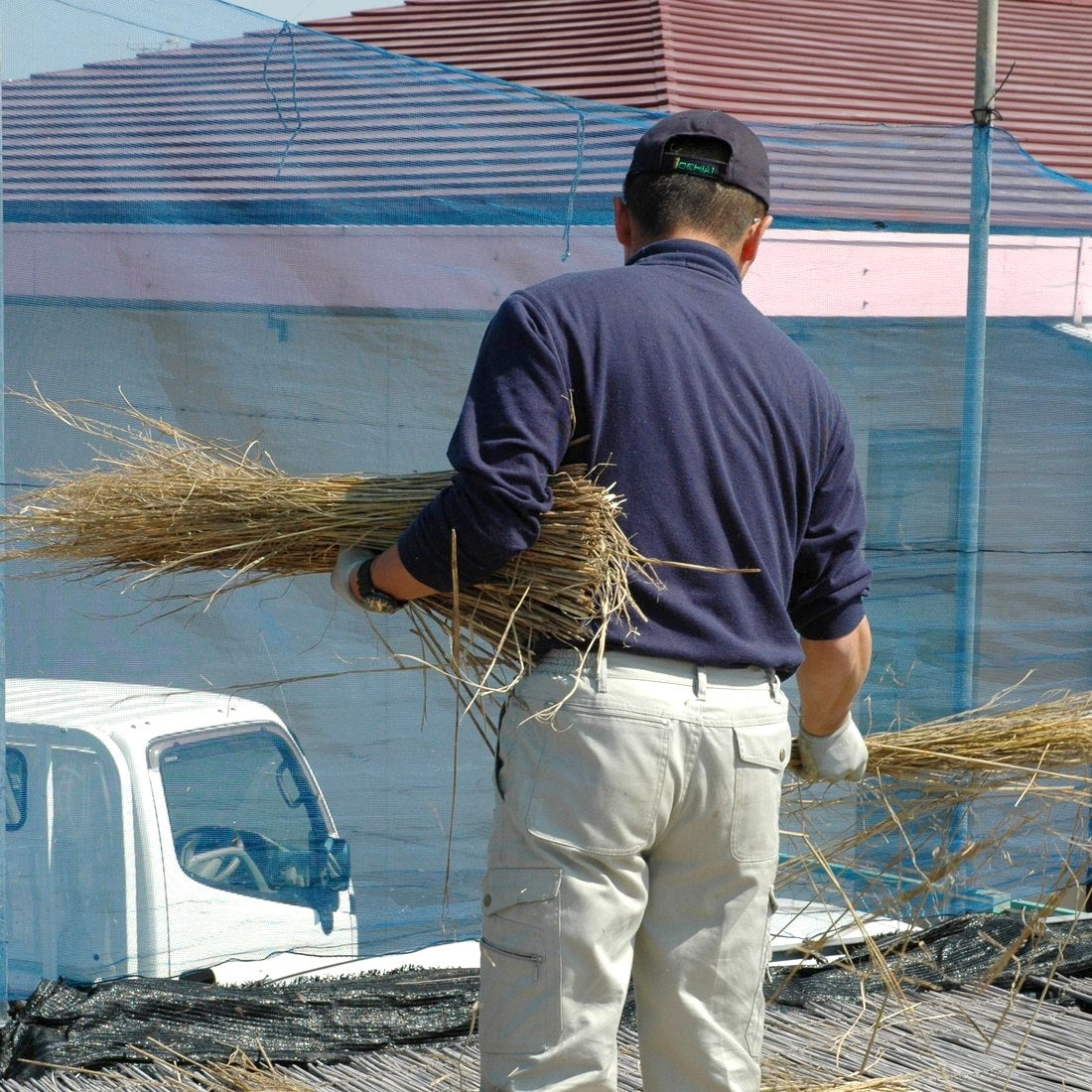
Beschattung mit Stroh / Straw shading
Traditional straw shading on a frame.

2. From leaf to tencha

Right after the harvest, the leaves are steamed. This stops oxidation and keeps the vivid green. Then they are dried, without rolling. Stems and veins are carefully removed. What remains are pure leaf pieces: tencha, the raw material of matcha.

3. Ground in the stone mill

For good matcha, tencha is ground slowly between two millstones. Between the stones lies a small chamber, the fukumi, which widens towards the centre. The tea falls through the spindle into this chamber. Fine furrows, called me, are carved into the stones. As the stones turn, the tea is pushed outward along the furrows and, at the smooth rim, ground into a powder only a few microns fine.

The stones do not rub directly against each other. So the tea stays cool and keeps its colour and aroma. It takes time: one mill makes only a few dozen grams an hour.
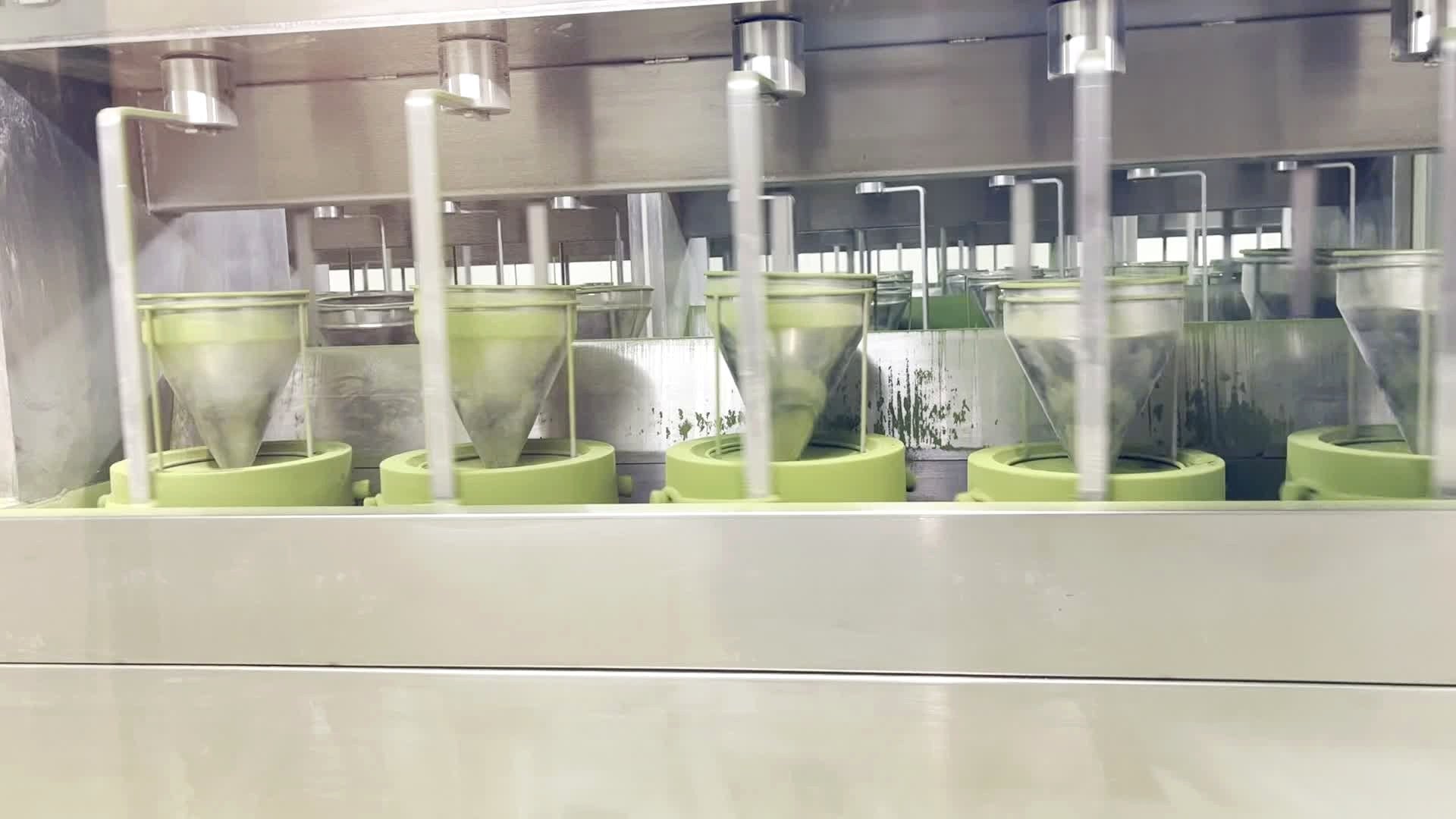
Steinmühlen mahlen Tencha zu Matcha / Stone mills grinding tencha into matcha
Stone mills at work. Tencha goes in at the top, matcha comes out below.

4. The inspection

Before matcha leaves the house, it is checked, not in a lab but with the senses: by tea masters who judge colour, leaf, aroma, liquor and taste. Only what passes is shipped. How you can look for this yourself is in the next chapter.
2

How to judge quality

I have tasted tea for many years and still teach it today. You need no lab for this, just your eyes, your nose and a plain bowl. Tea masters look for the same things:

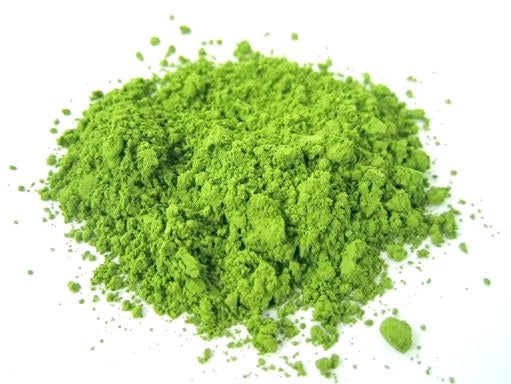
  • Colour: good matcha is a lively, fresh green. A yellowish or brownish green points to a simpler grade or to old tea.
  • Texture: the powder is very fine and silky, almost like face powder. Between your fingers it feels soft, not gritty.
  • Aroma: gentle, fresh and lightly sweet. A sharp, straw-like smell suggests a simpler grade.
  • Taste: round, with umami and a light sweetness in the finish. Simpler grades taste harsher and more bitter.
  • Foam: fine matcha whisks into a dense foam with tiny bubbles.

You see and taste this most clearly when you whisk matcha with water alone. In milk, the differences blur.

Matcha-Pulver / Matcha powder
Good matcha: vivid green and as fine as powder.
3

Grades, in plain words

Matcha is graded by look, taste and use, and every house names its grades differently. There are no fixed, protected levels. We keep it simple: two tins, clearly different.

A higher grade is usually a more vivid green, softer in taste and less bitter. You taste the difference most clearly in a plain bowl. In milk, it blurs.

Barista Matcha

For every day. Smooth enough to drink straight, sturdy enough for milk.

Uji Matcha

Our higher grade. Rounder and calmer, best with water alone.

For lattes: Barista Matcha. For a plain bowl: Uji Matcha, or Barista Matcha on any other day.

4

Water and temperature

80°C

Never boiling. Boiling water makes matcha bitter.

Let freshly boiled water stand for two or three minutes, or add a splash of cold water. A thermometer helps at first; after a while you hardly need it.

Soft water makes the tea taste rounder. If your tap water is very hard, a filter helps.

  • 60–80 ml for a short, rich bowl.
  • up to 200 ml for a long cup or a latte.
5

Whisking

Whisk from the wrist in an M shape until a fine foam forms.
  1. Soak the bamboo whisk briefly in warm water. It makes it supple.
  2. Sift the matcha into the bowl so no lumps remain.
  3. Add a little water first and stir smooth, then the rest.
  4. Whisk briskly from the wrist in an M shape, not in circles. 15 to 20 seconds.
  5. When a fine foam stands, lift the whisk slowly from the centre.

No whisk at hand? A small milk frother or a jar with a lid work too. See recipes.

6

Storage

Matcha dislikes air, light, warmth and strong smells. Close the tin well after each use and keep it somewhere cool and dark.

Once opened, matcha tastes best in the first few weeks. If you keep the tin in the fridge, let it reach room temperature before opening so no condensation forms.

At 2 g per bowl, a 40 g tin makes about 20 bowls.

7

Caffeine

Matcha contains caffeine, like every tea from the tea plant. Because you drink the whole, finely ground leaf, a bowl contains more caffeine than you might expect.

If you are sensitive to caffeine, enjoy matcha earlier in the day.